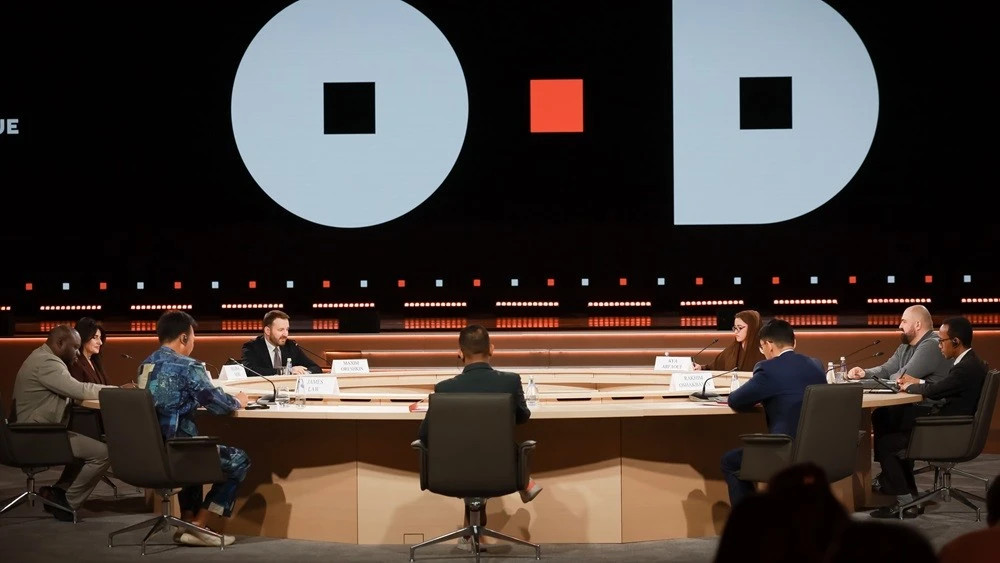
During the II Open Dialogue "The Future of the World. A New Platform for Global Growth", experts and young researchers from various countries proposed ideas for the development of the economy, technology, education, and the environment. The key unifying principle was a focus on the individual, international cooperation, and the search for new models of global growth through dialogue and the practical implementation of ideas. Maxim Oreshkin, Deputy Chief of Staff of the Presidential Executive Office of Russia, summarised the results of the large-scale event at the National Centre RUSSIA.
"The difference between the second Open Dialogue and the first is that we are paying more attention to the implementation stage of the proposed ideas. A mentorship format has been introduced - Russian businesses and international companies are all starting to work with the essayists, involving them in their projects and truly helping to realise their ideas from the perspective of business, society, and all of humanity. Therefore, the format is definitely evolving and becoming stronger; next year, another step forward will be taken," said Maxim Oreshkin.
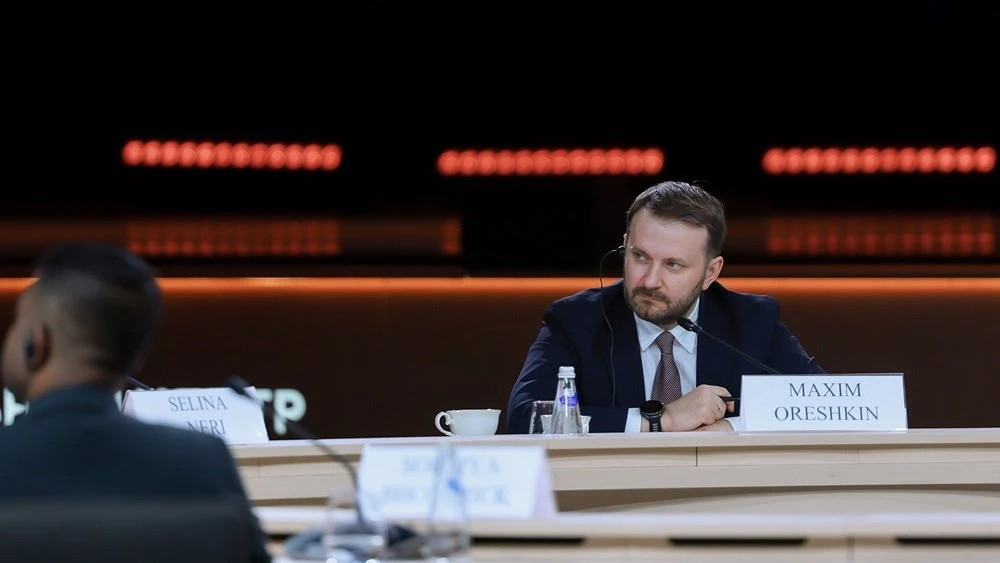
Photo: Press Office of the National Centre RUSSIA
During the epilogue, Maxim Oreshkin noted that the scope of the Open Dialogue will grow each year, as the idea that any person can share their thoughts, discuss them with representatives of different countries and schools of thought, "crystallise" them, and move towards implementation is fundamentally strong. He added that promoting this idea is destined for success, and the Open Dialogue itself will develop through the growth in the number of participants, horizontal connections, and partners. According to him, active work is beginning not just on discussing ideas, but on their implementation; several experts have already taken a number of essays for detailed development. To this end, specifically, a mentorship format will be introduced.
"The person must always be at the centre - their development, the realisation of their potential, and the preservation and extension of an active life amidst the demographic changes we are observing today. A person's active life is becoming increasingly significant, not only from the perspective of life itself but also in terms of the development of our societies and economies," Maxim Oreshkin believes.
Following the event, a collection of essays by Open Dialogue authors has already been released, featuring 300 works. They are published in various languages on the project website and divided into four books according to key areas: "Investments in Human Capital", "Investments in Connectivity", "Investments in Technology", and "Investments in Environment".
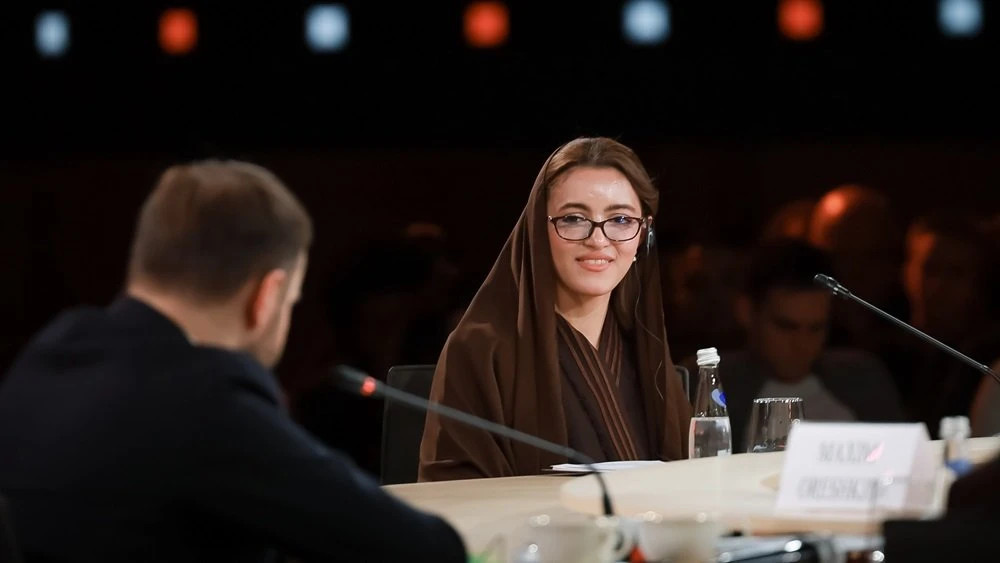
Photo: Press Office of the National Centre RUSSIA
Maxim Oreshkin reminded that during the II Open Dialogue, the four best essay authors were identified. Aya Arfaoui, a student from Mohammed V University in Rabat, Morocco, was recognised as the winner in the "Investments in Technology" track. She raised the issue of digital sovereignty for developing countries. According to her, international institutions do not provide sufficient influence in regulating the digital space, and decisions are increasingly made by algorithms.
"I am not proposing the creation of a new organisation - existing institutions are already sufficient. My idea is to effectively use those related to the protection of rights and personal data and fill them with real substance. Today, it is important to ensure compliance with rules in this area, including by the largest companies that do not always follow them. For this, it is necessary that at least 30 states develop a single set of standards regulating data exchange, cybersecurity, and market entry conditions. Such a document must not only be adopted but also actually applied by other countries. Attempts to create such a system have been made since 2006, and today representatives of these countries have gathered together. The next step is to move from discussions to practical actions and provide states with real tools for regulating the digital space, which has already become not just a technological sphere, but a zone of conflict between various interests, including national ones," Aya Arfaoui said of her idea.
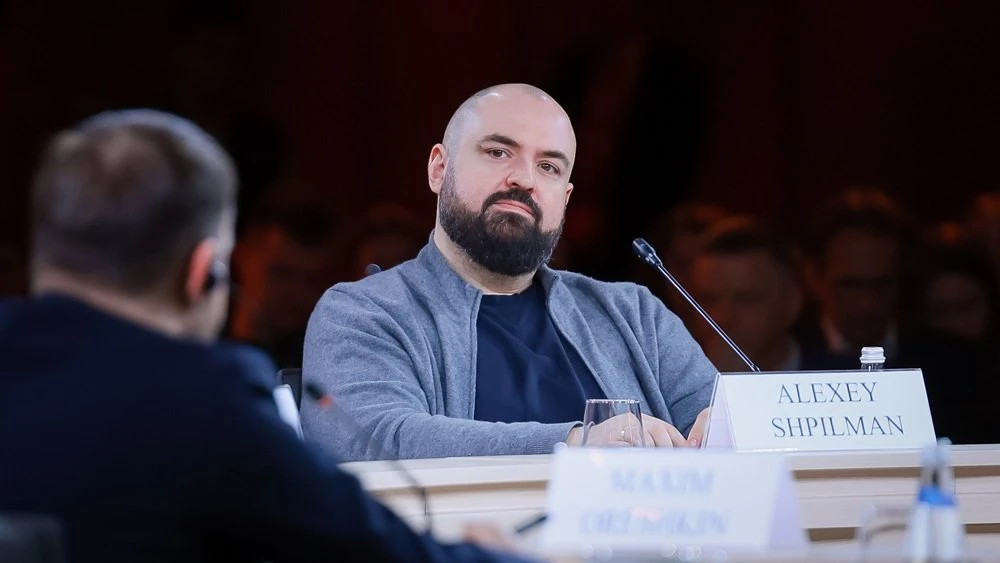
Photo: Press Office of the National Centre RUSSIA
Alexei Shpilman, Director of AI Technology Development at T-Technology, served as an expert and jury member for the "Investments in Technology" track. He noted that the restoration of sovereignty should not happen through isolation but should be based on the development of common international rules in the field of IT, artificial intelligence, and cybersecurity, and their collective observance, as only the joint actions of states, including BRICS countries and the Global South, can ensure influence over global technology companies.
"In the Open Dialogue, the approach is indeed correct - not to reduce everything to the idea of 'let's make another startup', but to speak more broadly, including about investments in society," he noted.
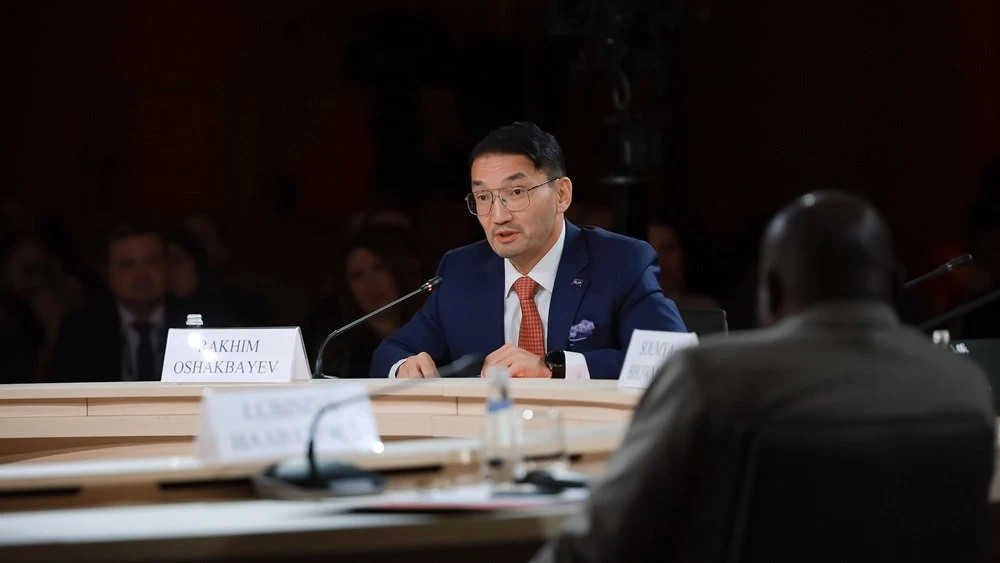
Photo: Press Office of the National Centre RUSSIA
Rakhim Oshakbayev, an expert and jury member of the "Investments in Connectivity" track and an economist at the TALAP Centre for Applied Research (Kazakhstan), noted that during the discussions, the essayists touched upon the important issue of digital colonialism.
"It is wonderful that such inclusive and broad discussions are taking place specifically at the National Centre RUSSIA. We truly need them, as the world is clearly transforming, and it is becoming increasingly difficult to find the words to describe the unpredictability and uncertainty that await us," Rakhim Oshakbayev shared.
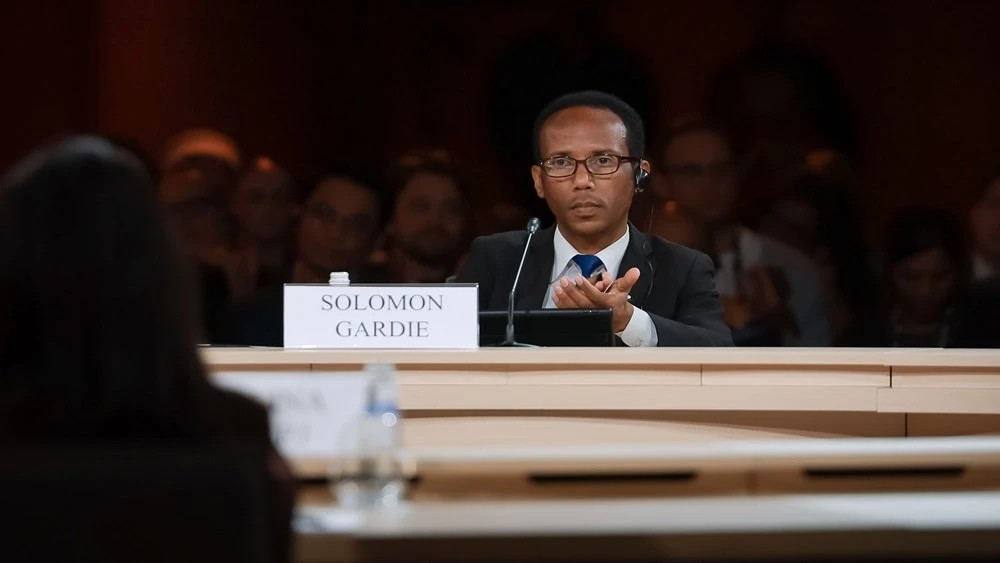
Photo: Press Office of the National Centre RUSSIA
The winner of the "Investments in Connectivity" track was Solomon Gardie, a postgraduate student at Addis Ababa University from Ethiopia: "The future belongs to us, and we must begin with dialogue and discussion. My essay focused on the connectivity and mobility of sovereign data. I proposed a system where data can move across borders while maintaining state sovereignty: raw data must be processed and anonymised before leaving the country, and only then can it be used for the common good. Within the framework of cooperation in the BRICS+ network, healthcare - specifically epidemiological control and the fight against diseases - could be one of the first areas of focus."
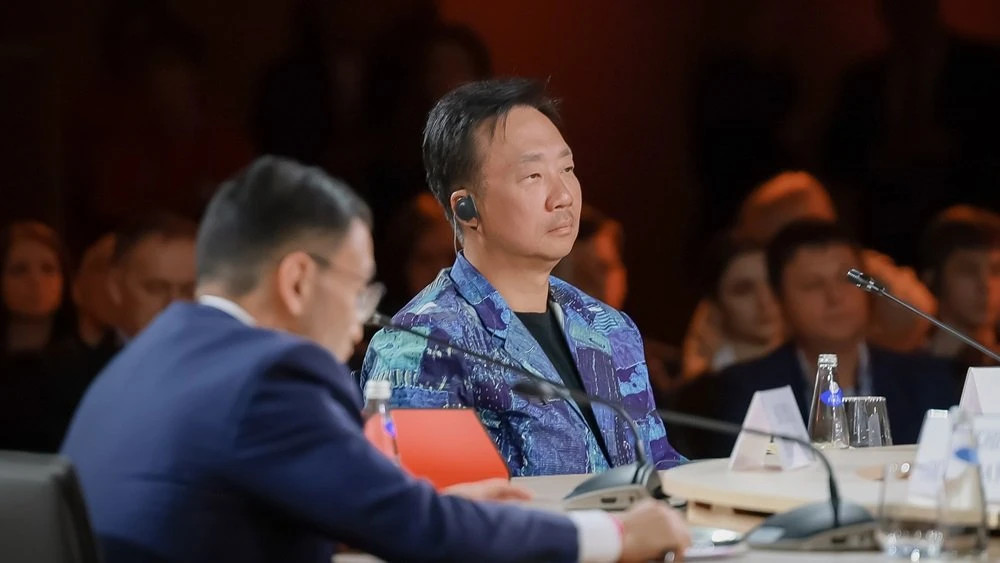
Photo: Press Office of the National Centre RUSSIA
James Law (China), Director General and founder of Cybertecture, served as the lead expert for the pitch sessions dedicated to the living environment and its impact on human well-being and overall economic productivity: "For me, discussing ecology and the environment in the context of technology is an acknowledgment that they unite us all. This is one of the key features of our planet: we cannot refuse to breathe or eat, so humanity is duty-bound to care for the environment. During our session, I listened with great pleasure to the authors of 17 essays, and all the participants showed a very inspiring drive. They recognised that the environment is becoming asymmetrical, contradictory, and in many ways is falling victim to our ambitions and human progress. At the same time, the environment is changing and is essentially trying to help us survive on this planet."
Soumya Bhowmick, a Research Fellow at the Observer Research Foundation, became the winner of the "Investments in Environment" track. In his presentation, he stated that for nearly 100 years, the world has been preoccupied with measuring GDP, which says nothing about the real wealth of countries.
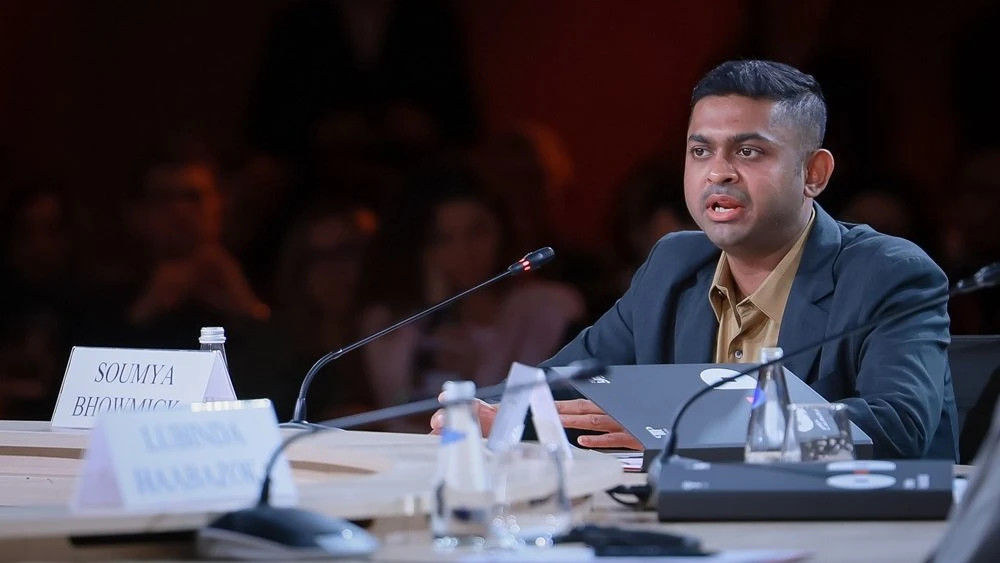
Photo: Press Office of the National Centre RUSSIA
"I am grateful to the Open Dialogue for bringing us all together here at the National Centre RUSSIA. Such discussions highlight the fact that the multipolar world we live in is a modern reality, and that all interactive processes continue despite the fact that we do not always reach a consensus. We must apply an optimised approach to the national accounting system and, accordingly, not just replace individual indicators, but seek an alternative to GDP when measuring the economic performance of our countries. My proposal was that it is necessary to take into account human, natural, and other types of capital, and on this basis create a complex composite indicator to assess economic results worldwide," Soumya Bhowmick shared.
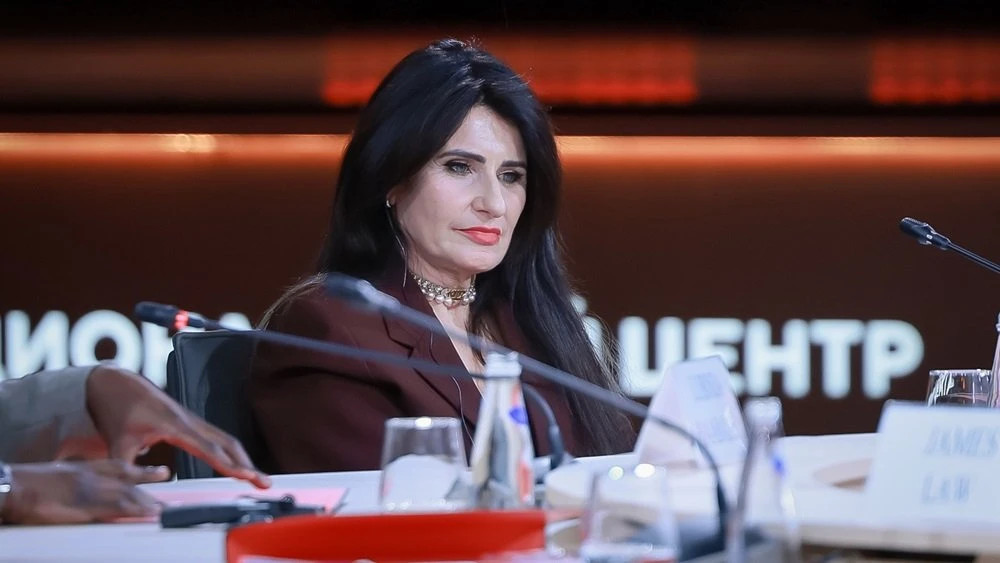
Photo: Press Office of the National Centre RUSSIA
The future should be built around the person, their health, agency, and a long, meaningful life, rather than around technology and outdated systems, believes Dr Selina Neri, an expert of the II Open Dialogue in the "Investments in Human Capital" track, co-founder, CEO, and Dean of the Future Readiness Academy (UAE), and Visiting Professor at the SKOLKOVO School of Management. To achieve this, she says, new approaches to education, work, and technological development are needed, focused on human prosperity, sovereignty, and the practical implementation of ideas instead of copying inefficient models.
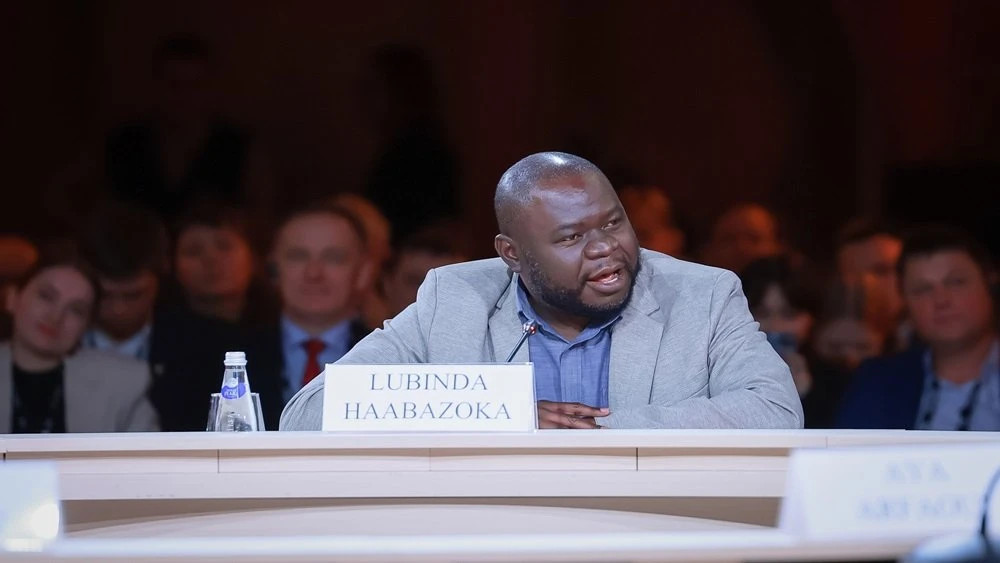
Photo: Press Office of the National Centre RUSSIA
Lubinda Haabazoka was the winner of the "Investments in Human Capital" track. In his speech, he noted that for real convergence between the countries of the Global South, not only declarations of multipolarity are needed, but also practical changes in key systems of interaction - primarily in education, which directly affects opportunities for cooperation and knowledge exchange.
"As the events of recent years have shown, the education system is largely structured like the global financial system, where only certain countries have full access, and it can be limited or cut off at any moment - like access to SWIFT, for example. It is exactly the same in education: in Africa, for instance, we write scientific papers, but for them to be accepted into recognised journals, we have to align with someone else's criteria, sometimes submitting tens of thousands of works only for a small fraction to be published. Therefore, I propose to move away from this system and create a common educational system within the framework of BRICS, ensuring not only its formation but also the mutual recognition of diplomas between countries without the need to establish separate bilateral agreements," Lubinda Haabazoka explained.
The Open Dialogue "The Future of the World. A New Platform for Global Growth" is an international project where experts from all over the world discuss the development of the global economy. The initiative is aimed at forming a new global growth model and brings together participants from different countries for an open exchange of ideas and the development of solutions. More than 1,600 essays were written by participants from all continents for participation in the II Open Dialogue. Seventy-five of the authors hold academic degrees. The findings from the discussions will be considered at the St. Petersburg International Economic Forum and included in the business programme. The essayists and experts will also be involved in work on the BRICS platform and engaged in preparations for the Russia-Africa Summit.
An important feature of the II Open Dialogue was the principle of continuity. Essayists from previous years served as experts and jury members, forming an intellectual community where ideas do not remain in narrow circles but become the subject of public discussion.
The II Open Dialogue "The Future of the World. A New Platform for Global Growth" is an annual international event initiated by the National Centre RUSSIA in partnership with the Centre for Cross-Industry Expertise "Third Rome", with the support of the Presidential Executive Office of the Russian Federation.